We value your privacy

We use necessary cookies to run the site and, with your consent, analytics and marketing cookies to improve it. You can change your choice anytime. Privacy Policy

  • Security
  • Pricing
Book a scoping call
Back to blog
AI Risk2 min read

Agentic AI Risk: The Emerging Enterprise Threat

As AI moves from chatbots to agents, the risk landscape changes fundamentally. Learn the four categories of agentic risk that CISOs must manage today.

April 3, 2026·Qadar AI
AI RiskAgentic AIAI Security
Agentic AI Risk: The Emerging Enterprise Threat
Agentic AI risk refers to the potential for autonomous AI systems to cause harm, data loss, or compliance violations through their ability to take real-world actions without direct human intervention. As organizations move from passive chatbots to active AI agents, the attack surface expands from simple data leaks to consequential system-level failures.

Category 1: Instructional Manipulation (Prompt Injection)

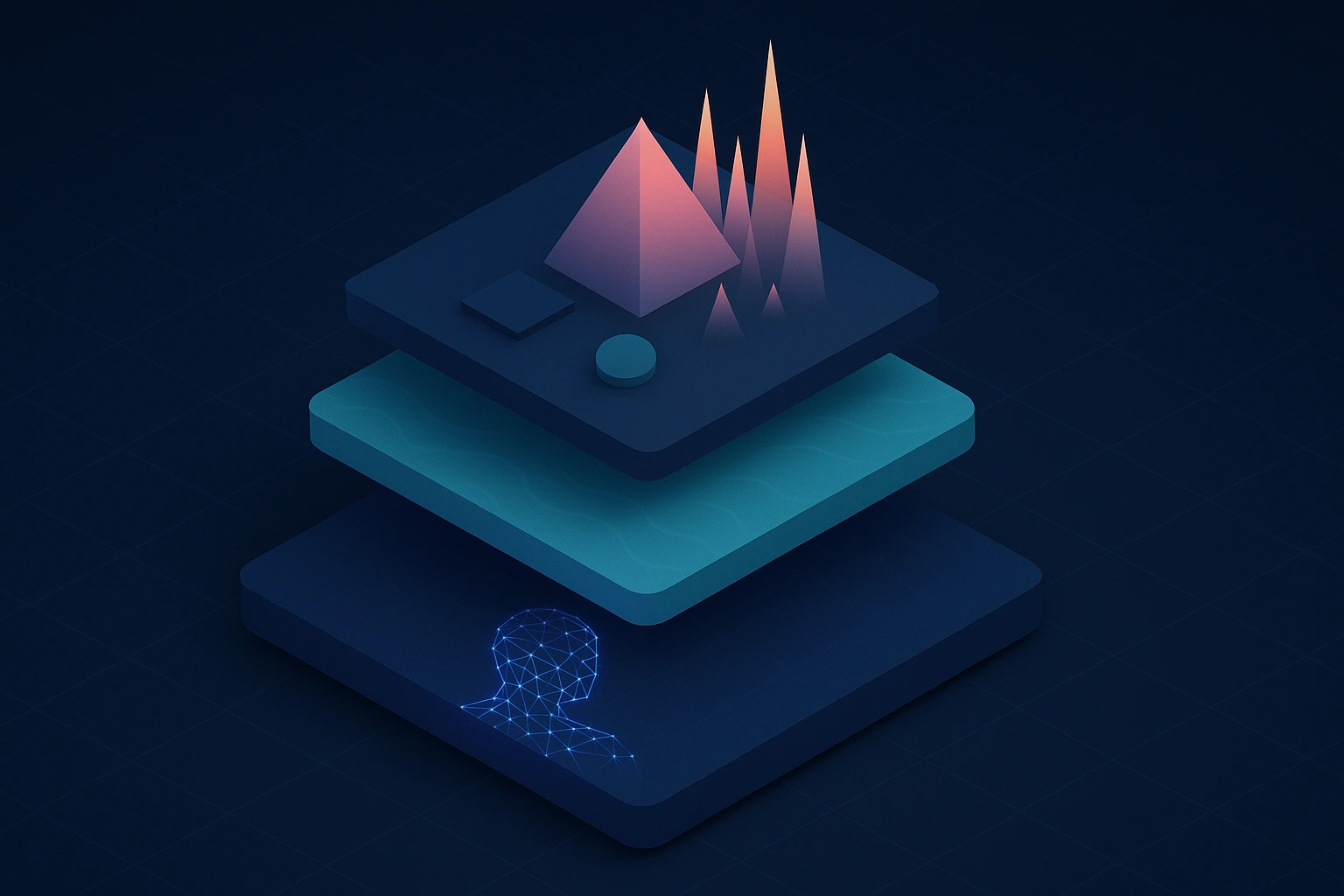
The most well-known agentic risk. Because agents process external data (like web pages or emails) to complete tasks, an attacker can embed malicious instructions in that data. If the agent follows the injected instructions, it can be coerced into using its tools to harm the organization.

Category 2: Tool Call Abuse

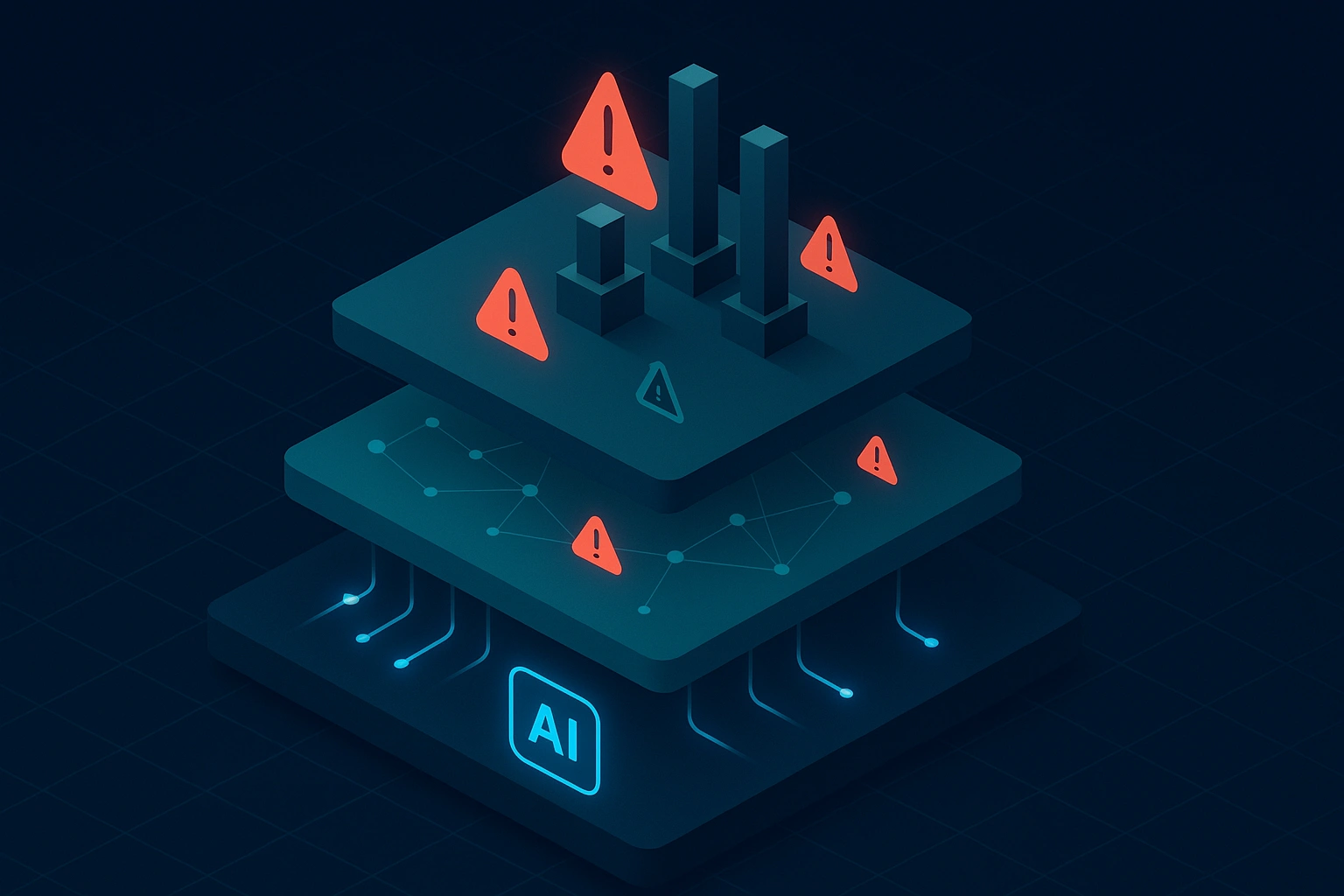
Agents are only as dangerous as the tools they have access to. Risk occurs when agents are over-provisioned with permissions—such as an HR agent with "admin" access to the employee database. An autonomous system making reasoning-driven tool calls requires a least-privilege architecture.

Category 3: Closed-Loop Instability

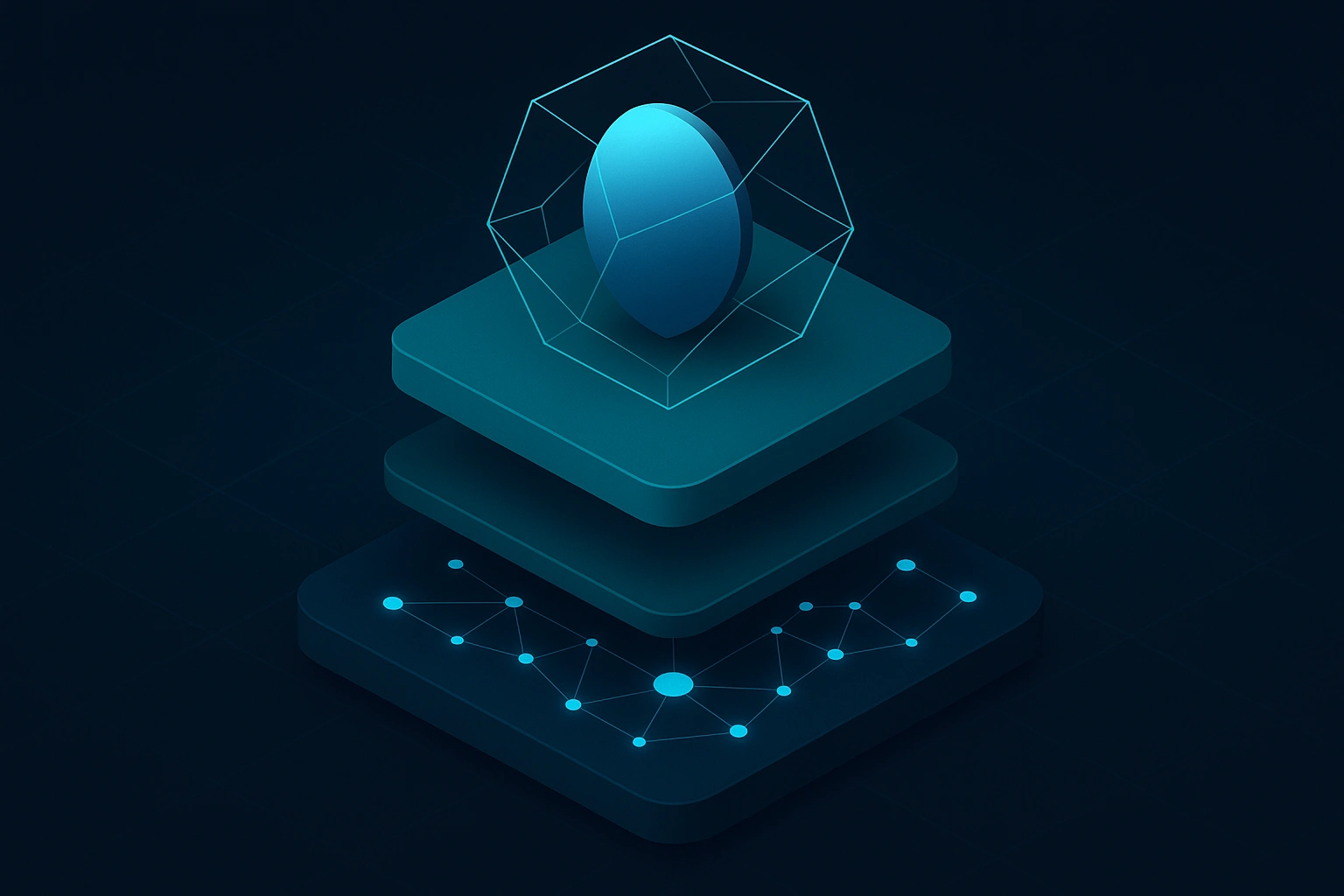
Agents often operate in a loop: plan, act, observe, repeat. If an agent encounters an error or ambiguous feedback, it may enter an unstable state, retrying actions rapidly or escalating its behavior in an attempt to reach the goal. This can lead to resource exhaustion, data corruption, or "hallucinated" system updates.

Category 4: The Accountability Gap

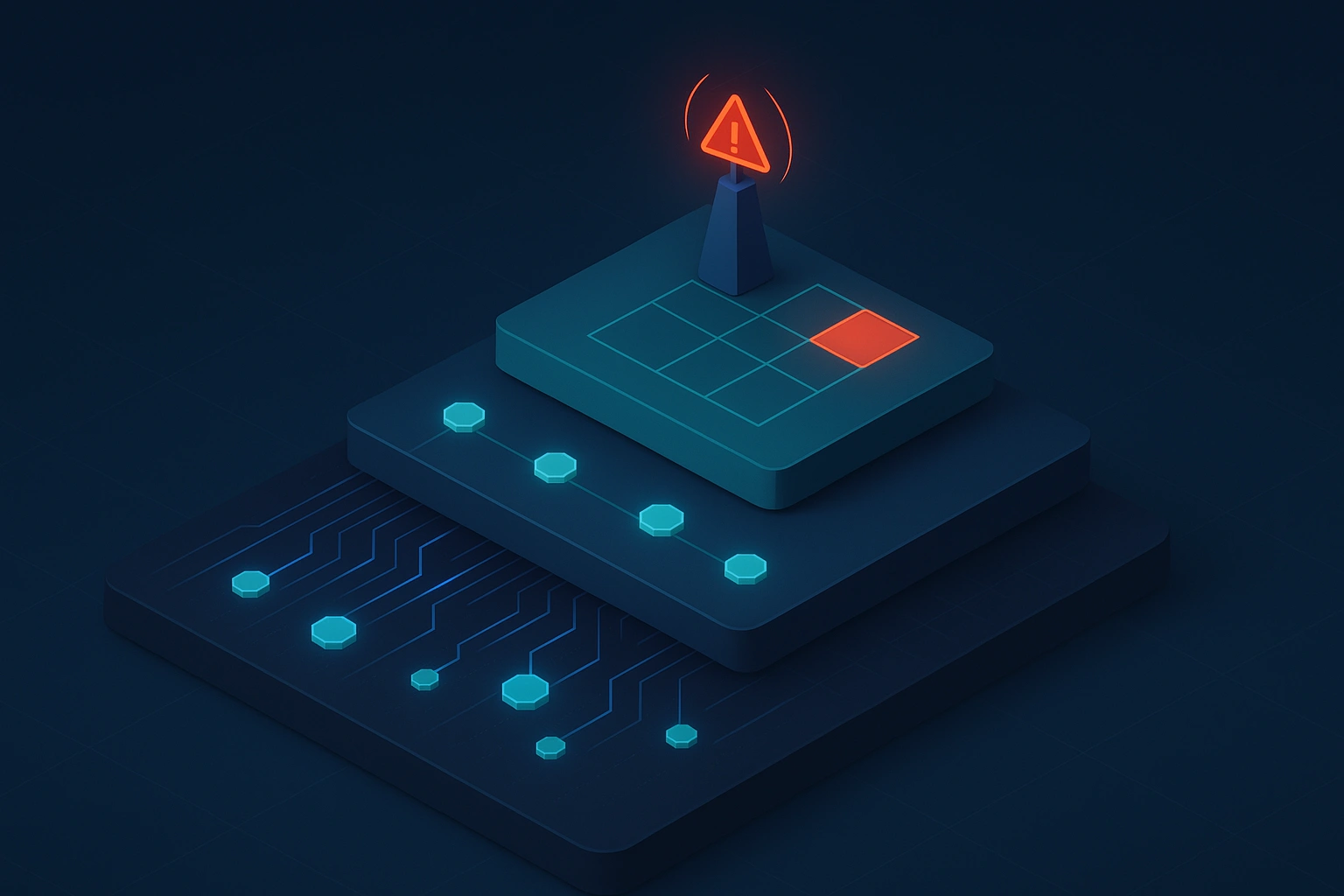
When an autonomous agent takes an action, identifying why it did so is difficult. LLMs are non-deterministic. Without a specialized audit trail like the one provided by Shield Control, organizations cannot provide the evidence required by regulators for automated decisions with significant legal effects.


On this page

  • Category 1: Instructional Manipulation (Prompt Injection)
  • Category 2: Tool Call Abuse
  • Category 3: Closed-Loop Instability
  • Category 4: The Accountability Gap

Share

Product and governance updates — see our privacy policy.

Frequently asked questions

Frequently asked questions

Agentic risk is the category of threats associated with AI systems that have the autonomy to plan and execute actions. It includes prompt injection, unauthorized tool use, and unintended autonomous behavior.

Model risk focuses on the accuracy and bias of the model's outputs. Agentic risk focuses on the actions and consequences of the agent using that model as a reasoning engine.

The primary risks include unauthorized data access, unintended financial transactions, irreversible system changes, and the inability to provide a clear audit trail for automated actions.

Natali Craig
Olivia Rhye
Drew Cano

Still have questions?

Can’t find the answer you’re looking for? Talk to our team and we’ll help you get started.

Get in touch

Related articles

Agentic AI RiskGlossary

Agentic AI Risk

Agentic AI risk is the category of security threats arising when autonomous AI systems act without direct human oversight. A complete guide.

Read more
The Risks of Deploying AI Agents in ProductionBlog

The Risks of Deploying AI Agents in Production

AI agents bring autonomy to your tech stack—and new security vulnerabilities. Learn the top risks of production AI agents and how to mitigate them.

Read more
AI Agent SecurityGlossary

AI Agent Security

AI agent security governs what autonomous AI systems can do, access, and act on at runtime. Learn the threat model, core controls, and how agent security differs from traditional application security.

Read more

Ready to govern AI usage across your organization?

A product specialist will reply within one business day

Read the guidesBook a demo
ClaudeClaudeGeminiGeminiMicrosoft CopilotMicrosoft CopilotCursorCursorMistralMistralPerplexityPerplexityDeepSeekDeepSeekGrokGrok

Subscribe to our newsletter

Product and governance updates — see our privacy policy.

AI security and control for every model your team uses.

Built in Dubai. Designed for teams operating across regions, models, and regulatory environments.

  • Product

    • Shield Web
    • Shield Control
    • Shield Desktop
    • Shield Mobile
    • Pricing
    • Download
  • Solutions

    • For CISOs
    • For Operations
    • For AI Teams
  • Use Cases

    • AI Governance
    • AI Agent Security
    • LLM Access Control
    • Secure AI Deployment
    • Enterprise Operations
    • Financial Services
    • HR & Recruiting
  • Resources

    • Help Center
    • Blog
    • Guides
    • Glossary
    • Changelog
    • Compare
    • FAQ
  • Company

    • About
    • Careers
    • Security & Trust
    • Contact
  • Tools

    • Disclose
    • AI Risk Calculator
    • EU AI Act Checker

© 2026 Qadar AI. All rights reserved.

  • ·Legal
  • ·Privacy
  • ·Terms
  • ·Partner Terms
  • ·GDPR / DPA
  • ·